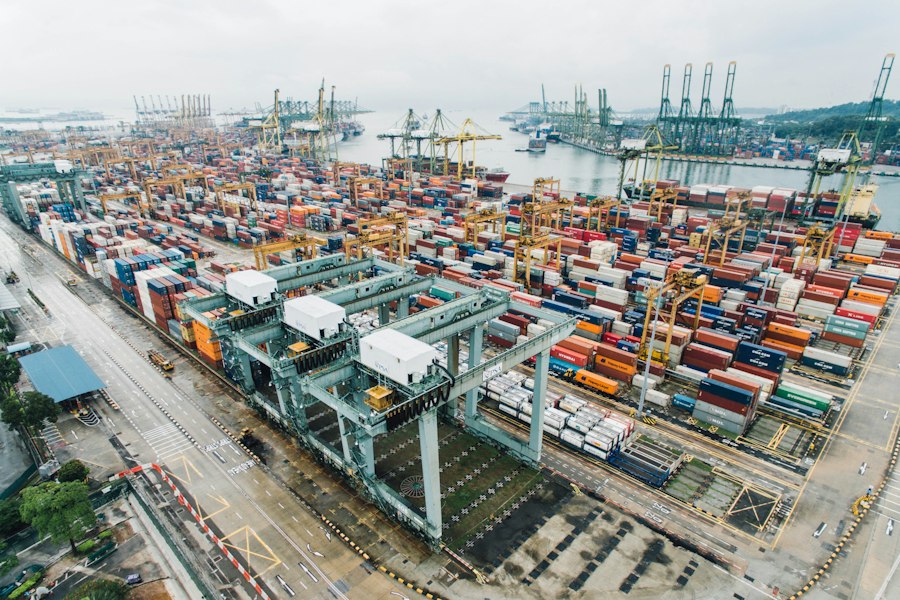
Korean manufacturers shipping to ASEAN markets in early 2026 are navigating volume shifts that public statistics only partially explain. Our analysts track monthly declaration summaries along three corridors that Pocheon-area exporters use most frequently.
Pocheon to Ho Chi Minh City
Industrial component shipments — particularly fasteners, small motors, and packaging materials — increased in declaration frequency during January and February compared to the same period in 2025. The rise correlates with new factory openings in Binh Duong province rather than organic demand growth in existing facilities. Export planners should verify buyer capacity before committing to quarterly volume contracts.
Ulsan/Busan to Bangkok
Automotive parts corridors showed a flatter pattern. Shipment frequency held steady, but average declared value per consignment dropped roughly eight percent year-over-year. This suggests buyers are splitting orders into smaller lots, possibly to manage inventory carrying costs. Landed-cost modelling should account for per-shipment handling fees that do not scale down proportionally.
Incheon to Jakarta
Food processing equipment and cold-chain components saw sporadic spikes aligned with Ramadan preparation timelines. Exporters of refrigeration parts benefit from submitting forecasts to buyers twelve weeks ahead rather than six, based on clearance patterns we observed at Tanjung Priok last year.
Planning takeaway
Corridor selection affects more than freight cost. Preferential rates under the Korea-ASEAN FTA require origin documentation that differs by product category. Before shifting volume from one corridor to another, run a tariff impact comparison — the freight savings may not offset duty differences.
Our Export Market Briefing includes corridor-specific demand charts when ASEAN countries appear in your target list.